
Unleashing Creativity in Design: Fueling Innovation and Inspiring Success
- Setare khani
- Jun 10
- 3 min read

Creativity is the spark that ignites design innovation. Without it, design risks becoming repetitive, uninspired, and disconnected from real needs. When creativity flows freely, designers can craft solutions that surprise, delight, and solve problems in fresh ways. This post explores how creativity drives design forward, shares examples of designs born from creative thinking, and offers practical ways to boost creativity in your own design process. The goal is to inspire you to experiment boldly and think beyond the usual boundaries.
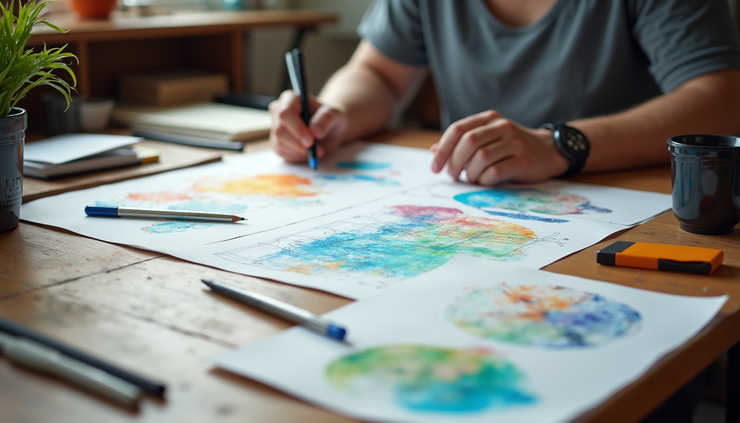
How Creativity Fuels Innovative Design Solutions
Design is not just about making things look good. It’s about solving problems in ways that are useful, meaningful, and sometimes unexpected. Creativity fuels this process by encouraging new perspectives and ideas that break away from standard approaches.
Creative thinking helps designers:
Identify unique problems that others might overlook.
Generate multiple solutions instead of settling on the first idea.
Combine unrelated concepts to create something original.
Challenge assumptions about how things should work or look.
Adapt quickly to changing needs or constraints.
When creativity is part of the design process, the result is often a product, service, or experience that stands out because it meets needs in a new way or offers unexpected value.
Examples of Successful Designs Born from Creative Thinking
Many iconic designs owe their success to creative approaches that challenged norms or combined ideas in novel ways. Here are a few examples:
The Dyson Vacuum Cleaner
James Dyson revolutionized vacuum cleaners by inventing a bagless model using cyclonic separation. Instead of relying on traditional bags that clogged and lost suction, Dyson’s design used centrifugal force to separate dust. This idea came from observing industrial cyclones used in sawmills, showing how creativity can come from applying concepts across fields.
The Nest Thermostat
Nest Labs created a thermostat that learns user habits and adjusts temperature automatically. The design combined smart technology with sleek, user-friendly controls. The creative leap was to rethink a mundane household device as an intelligent, connected product that saves energy and improves comfort.
The OXO Good Grips Kitchen Tools
OXO designed kitchen tools with large, soft handles to help people with arthritis or limited hand strength. The creative insight was to focus on accessibility and comfort, turning a niche need into a mainstream design feature appreciated by all users.
These examples show how creativity leads to designs that are not only functional but also improve user experience and open new markets.
Techniques to Enhance Creativity in the Design Process
Creativity is not just a talent you either have or don’t. It’s a skill that can be nurtured and strengthened. Here are practical techniques to boost creativity during design:
1. Brainstorm Without Limits
Set aside judgment and generate as many ideas as possible. Quantity often leads to quality because it encourages wild, unexpected concepts that can be refined later.
2. Use Analogies and Metaphors
Compare your design problem to something unrelated. For example, think about how nature solves a similar challenge. This can spark fresh ideas by shifting your perspective.
3. Collaborate Across Disciplines
Work with people from different backgrounds. Diverse viewpoints challenge your assumptions and introduce new ways of thinking.
4. Prototype Early and Often
Build quick, rough versions of your ideas. Testing prototypes reveals unexpected problems and opportunities, encouraging iterative creativity.
5. Change Your Environment
A new setting can stimulate your mind. Try working outdoors, in a café, or a different room to break routine thinking patterns.
6. Practice Mindfulness and Reflection
Taking breaks to clear your mind helps ideas incubate. Sometimes the best insights come when you step away from the problem.
Embracing Experimentation and Thinking Outside the Box
Creativity thrives when you allow yourself to take risks and explore beyond conventional limits. Experimentation means trying new materials, forms, or processes without fear of failure. It means asking “what if” and being open to unexpected results.
Thinking outside the box requires questioning norms and imagining alternatives. It involves:
Challenging “this is how it’s always done.”
Considering user needs from fresh angles.
Combining ideas from unrelated fields.
Accepting that some ideas will fail but can lead to breakthroughs.
By embracing experimentation, designers can discover solutions that are not only innovative but also deeply relevant and effective.
Creativity is the engine that drives design innovation. It helps uncover new problems, generate fresh solutions, and create products that resonate with users. The examples of Dyson, Nest, and OXO show how creative thinking leads to success by reimagining everyday objects and experiences. By using techniques like brainstorming, analogies, collaboration, prototyping, and changing environments, you can nurture your own creativity. Most importantly, allow yourself to experiment and think beyond the usual limits. This mindset will open doors to design solutions that inspire and make a real difference.


Comments